Guide
Tomica Limited Vintage, Explained: The 1/64 Line Every JDM Collector Ends Up Buying
What TLV actually is
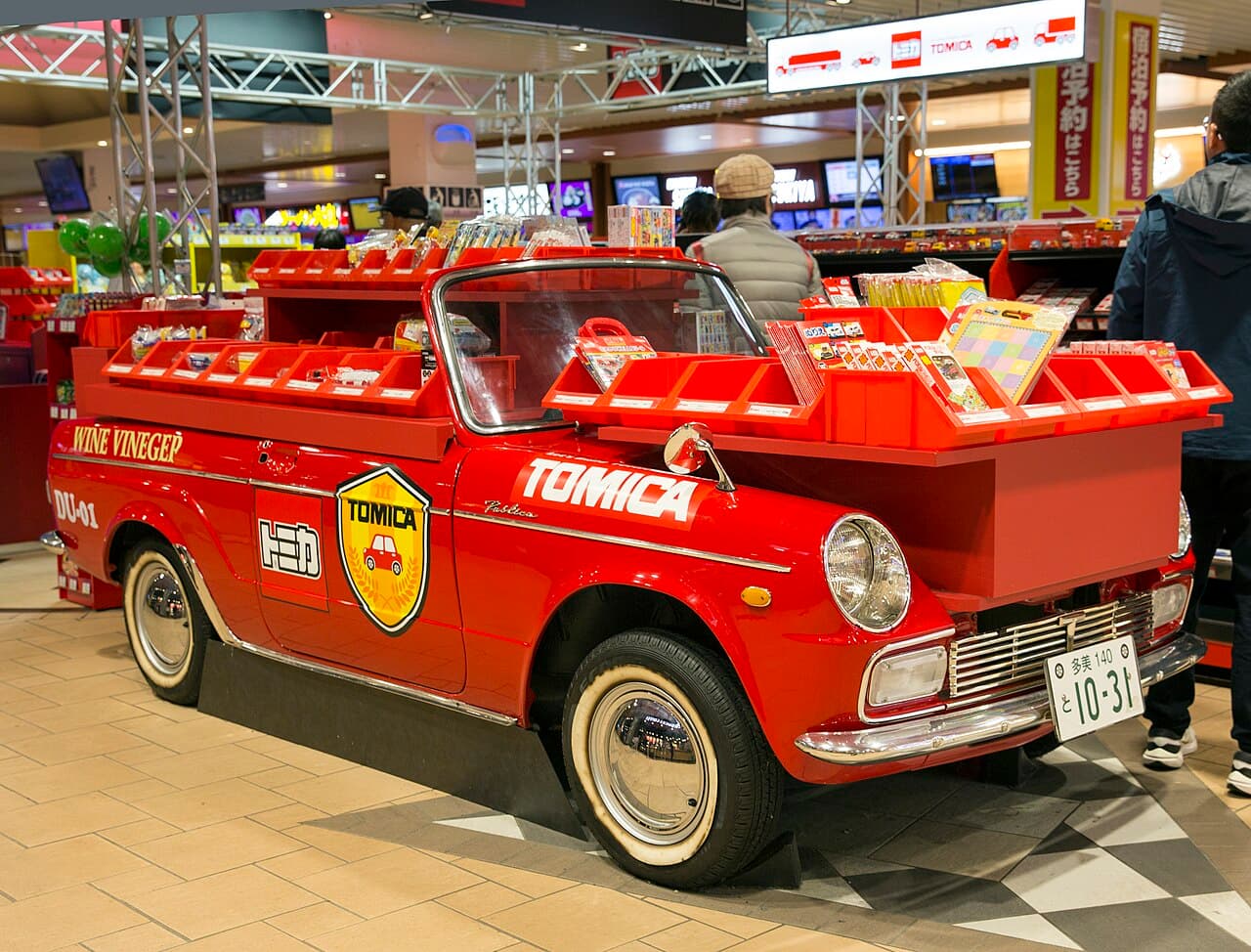
Tomica — the original toy-car line — launched in Japan in 1970 and has sold well over half a billion cars since. Tomica Limited Vintage (TLV) is a separate, adults-first line under the same 1/64 scale, launched in 2004 by Tomytec, a Takara Tomy subsidiary. Where standard Tomica is built for kids (opening doors, rolling play features, impact resistance), TLV drops all of that in favour of display-grade panel lines, correct proportions and paint matched to the real car's factory colour codes. It's a toy line's badge on a serious model-car product.
TLV vs TLV-Neo: the split that actually matters
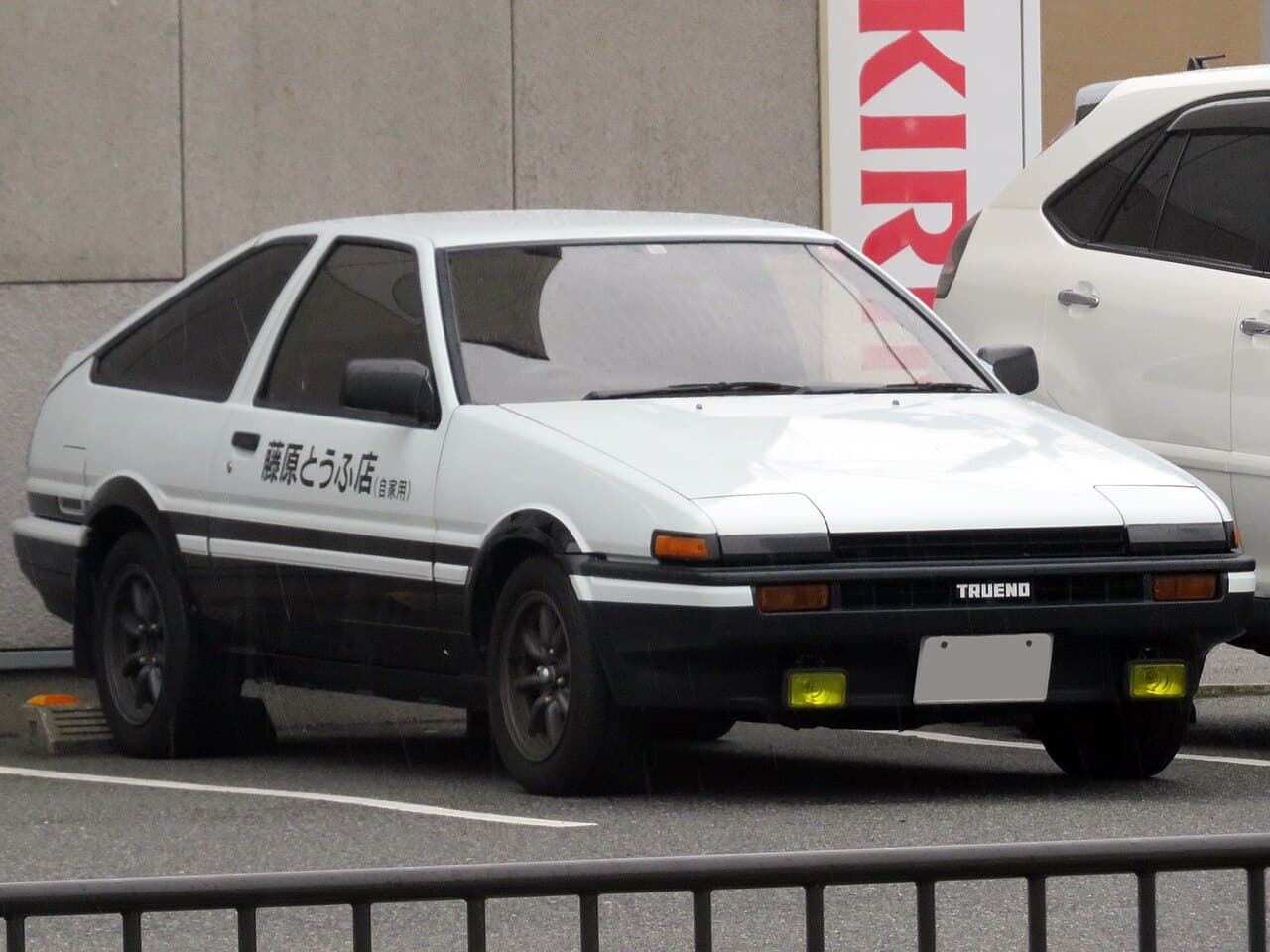
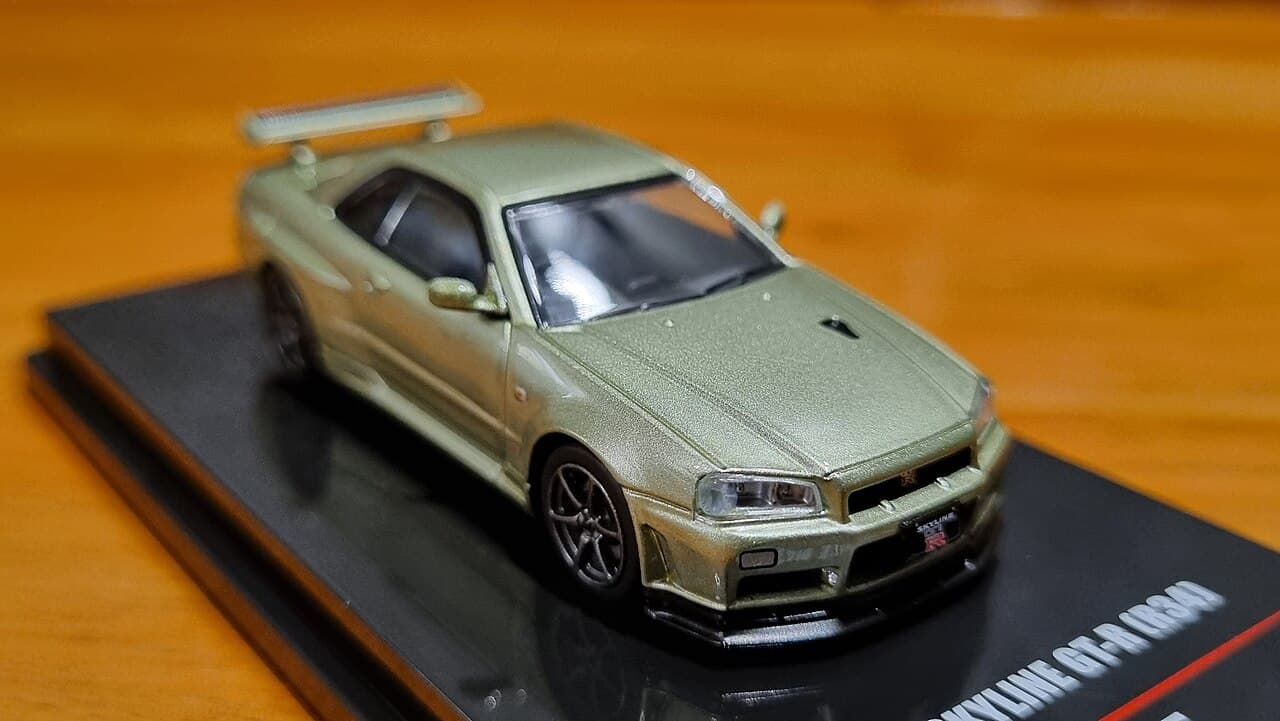
The original TLV range (2004-) covers Japanese cars from roughly the 1950s to early 1970s — the classic era, from early Nissans and Toyopets to reproductions that read more like museum pieces than toys. Tomica Limited Vintage Neo (TLV-N), introduced in 2006, is the line most readers of this site actually want: it covers cars from the 1970s through the 2000s, which is to say most of the chassis this site catalogues — R34 GT-R-generation Skylines, AE86 Corolla Levins and Sprinter Truenos, and dozens of contemporaries. If a JDM enthusiast mentions "TLV" casually, they usually mean a TLV-N release.
Why collectors take this seriously
Runs are genuinely limited — many liveries and colourways sell out at Japanese retail within days of release and don't get reprinted, which is why the secondary market on older TLV-N releases can run well above original retail. Because the line spans decades of a single manufacturer's back catalogue with real attention to grade-specific detail (a TLV-N R34 might distinguish V-spec II's carbon hood from M-spec's aluminium one, in 1/64), it works as a genuinely accurate spec reference in miniature, not just a display piece.
What to actually check before buying
- Confirm the exact LV-N number, not just "R34" or "AE86" — TLV-N releases the same chassis in multiple grades, liveries and even minor running changes, and listings are not always precise about which one you're getting.
- New vs. resale pricing diverge fast on anything discontinued — check whether a listing is manufacturer stock (fixed price, may be pre-order) or secondary-market resale (can run well above original retail on a sold-out colourway) before assuming a price is standard.
- Multiple stores, one release — the same LV-N number often sells through several retailers (AmiAmi, HobbyLink Japan, 1999.co.jp, plus Western retailers and eBay) at different prices and stock status; check more than one before you commit, especially on anything discontinued at its original retailer.
- KUROGANE discloses every affiliate relationship and doesn't rank sellers by anything other than what they actually sell and at what verified price.
Where to start
If you're chasing a specific real chassis, the practical path is: read the chassis's own guide on this site for the production history and grades, then look for a 1/64 release that matches the specific grade you care about, not just the model name. Our Mini GT R34 NISMO Z-Tune and Kyosho Initial D AE86 Trueno product pages show that grade-matching discipline in practice — even though those two happen to be different makers, not TLV-N itself, the same rule (match the real grade, not just the badge) applies across every 1/64 maker in this space.
Sources
FAQ
- What's the difference between Tomica, Tomica Limited Vintage and Tomica Limited Vintage Neo?
- Standard Tomica (1970-) is a kids' toy line with play features. Tomica Limited Vintage (TLV, 2004-) is Tomytec's adults-first display line covering 1950s-70s classics. Tomica Limited Vintage Neo (TLV-N, 2006-) applies the same display-grade approach to 1970s-2000s cars — the era most JDM chassis on this site belong to.
- Are Tomica Limited Vintage models worth buying as an investment?
- Treat them as collectibles, not an investment vehicle — some sold-out colourways do trade above original retail, but pricing is driven by scarcity and demand for that specific release, not a predictable appreciation curve, and this site doesn't make investment claims about diecast or real cars.
- Where can I check if a specific LV-N release is still available?
- Check more than one retailer (AmiAmi, HobbyLink Japan, 1999.co.jp, and Western resellers) — the same release is often sold through several stores at different prices and stock states, and a release marked discontinued at one retailer may still be available, at a different price, elsewhere.
This article is for information only and is not legal, import, or purchasing advice. Eligibility rules are described structurally — the vehicle's actual manufacture month, verified per chassis, is the final basis, and federal import and state/provincial registration are separate hurdles. Prices and availability change; confirm on the official source linked in the article before acting.