Chassis canon
Nissan Silvia S15: The Complete Chassis Guide
S15

S15, in one line
The S15 is the seventh and last Nissan Silvia — a compact, front-engine, rear-wheel-drive coupe built from January 1999 to August 2002, the final car in a lineage that started with the S10 in 1975 before Nissan folded the platform into its broader restructuring. Nissan sold the S15 new only in Japan, Indonesia (Spec-S, automatic only, in small official numbers), Australia and New Zealand — the latter two under the Nissan 200SX badge. Everywhere else, including the US, it exists only as a JDM import.
Two grades, one clear split
Nissan simplified the S15 lineup to two grades, and the split is about the engine and gearbox, not trim level: Spec-S runs the naturally aspirated SR20DE and a 5-speed manual (4-speed automatic optional), while Spec-R gets the turbocharged SR20DET and, for the first time on a Silvia, a 6-speed manual built by Aisin (4-speed automatic also optional). Both grades offered an "Aero" appearance package with a larger rear wing and mild aerodynamic addenda — cosmetic, not mechanical, so don't pay a premium for Aero trim expecting extra power underneath.
The D1GP chapter (told as history, not an endorsement)
The S15 holds the Guinness World Record for the most successful car in D1 Grand Prix history: five different drivers won the Japanese drift series' championship behind the wheel of an S15 — Nobuteru Taniguchi (2001, the series' inaugural title), Ryuji Miki (2004), Yasuyuki Kazama (2005), Masato Kawabata (2007) and Youichi Imamura (2009). No other chassis comes close to that count. None of this is an invitation to replicate the driving that built the reputation — competition and private-track drifting are a different activity from public roads, and nothing here endorses street use.
Buying considerations
- Confirm Spec-S vs Spec-R by the drivetrain, not just the badge or wing — sellers occasionally fit Aero cosmetic parts to a base car, which doesn't change what's under the hood.
- SR20DETs are among the most commonly swapped/modified engines in the JDM world; ask for service history if "stock" matters to your paperwork or budget.
- Ask for the Japanese auction sheet if the car came through the dealer-auction export pipeline — see our guide to reading the grades before taking a seller's summary at face value.
- The Autech Varietta convertible (a factory drop-top built in small numbers from 2000) is mechanically detuned for the open-top structure — don't assume Spec-R performance figures carry over.
- KUROGANE doesn't sell cars or vouch for sellers — verify chassis/engine numbers against paperwork yourself or through an independent inspection.
Import eligibility status
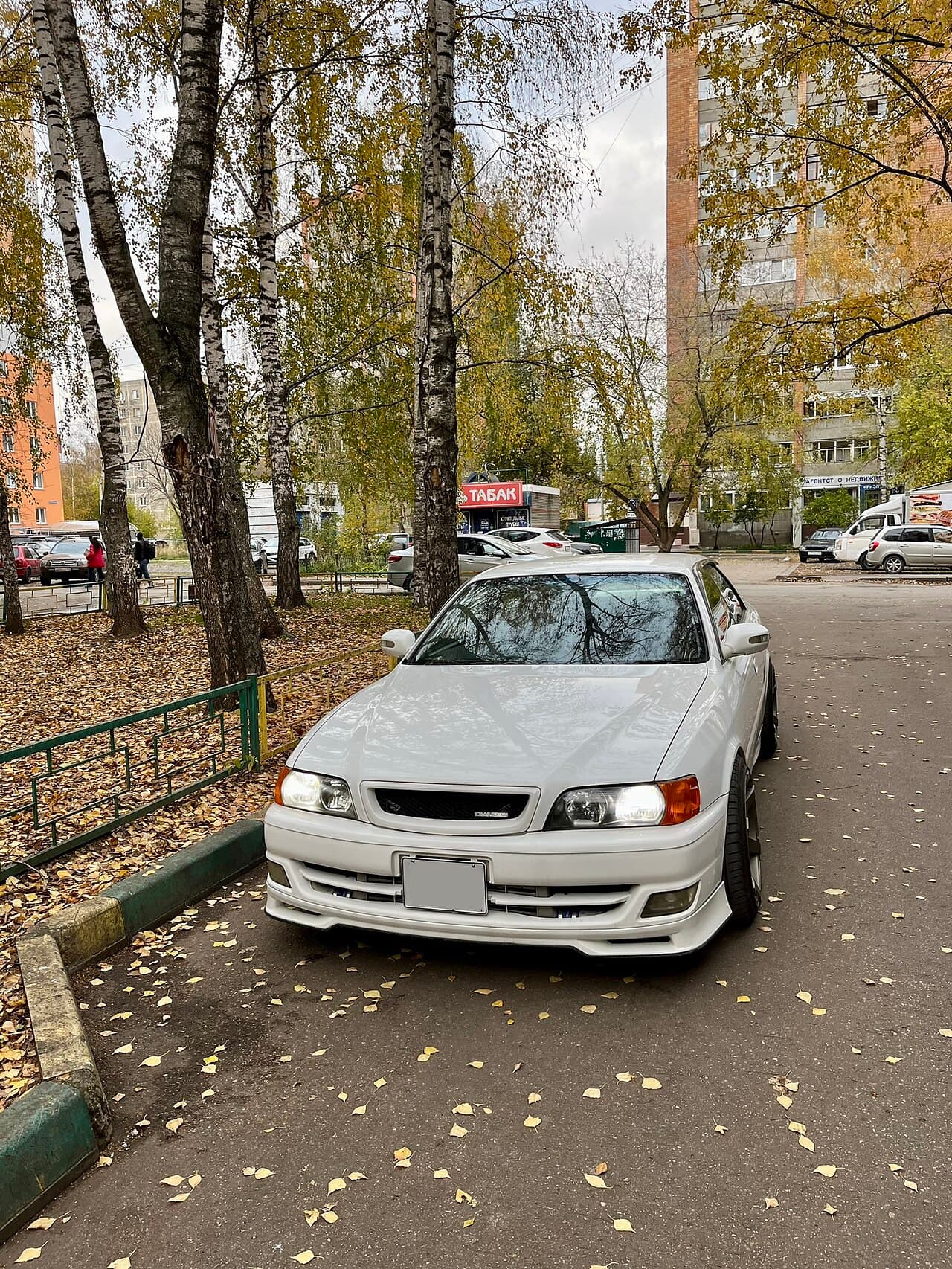
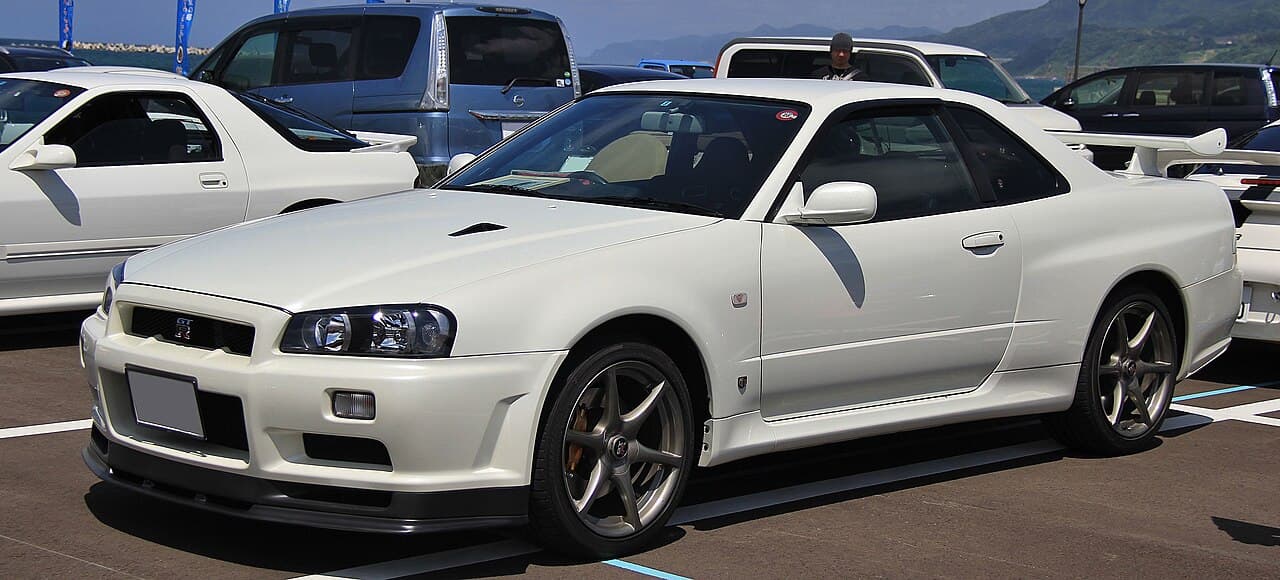
As of 2026-07, the earliest S15s — built from January 1999 — have been clear of the US federal 25-year exemption since January 2024, more than two years now. Cars built later in the January 1999-August 2002 run clear later, on their own manufacture-month schedule; the very last examples don't clear until 2027. Canada's 15-year threshold cleared for the entire model line back in the 2010s. This is general orientation, not a ruling on any specific car: confirm your exact chassis's manufacture month with the Import Eligibility Check, and see the 25-year rule, explained for how the federal clock works and why your state's registration rules are a separate question. The R34 Skyline GT-R went through an almost identical January-1999 start; the JZX100 Chaser, built alongside it, has already cleared in full.
Sources
FAQ
- When can I import a Nissan Silvia S15 to the US?
- The earliest cars, built from January 1999, cleared the federal 25-year exemption in January 2024. The production run continues to August 2002, so later builds clear later — check your exact chassis's manufacture month rather than assuming the whole model is clear.
- What's the real difference between Spec-S and Spec-R?
- The engine and gearbox: Spec-S runs the naturally aspirated SR20DE with a 5-speed manual, Spec-R runs the turbocharged SR20DET with a 6-speed manual (both also offered a 4-speed automatic). The "Aero" appearance package is cosmetic and available on either grade, so it doesn't tell you which engine is underneath.
- Why is the S15 so tied to drifting?
- It holds the Guinness World Record for the most D1 Grand Prix championships of any chassis — five titles across five different drivers between 2001 and 2009, more than any other car in the series' history.
This article is for information only and is not legal, import, or purchasing advice. Eligibility rules are described structurally — the vehicle's actual manufacture month, verified per chassis, is the final basis, and federal import and state/provincial registration are separate hurdles. Prices and availability change; confirm on the official source linked in the article before acting.