Chassis canon
Toyota Chaser JZX100: The Complete Chassis Guide
JZX100
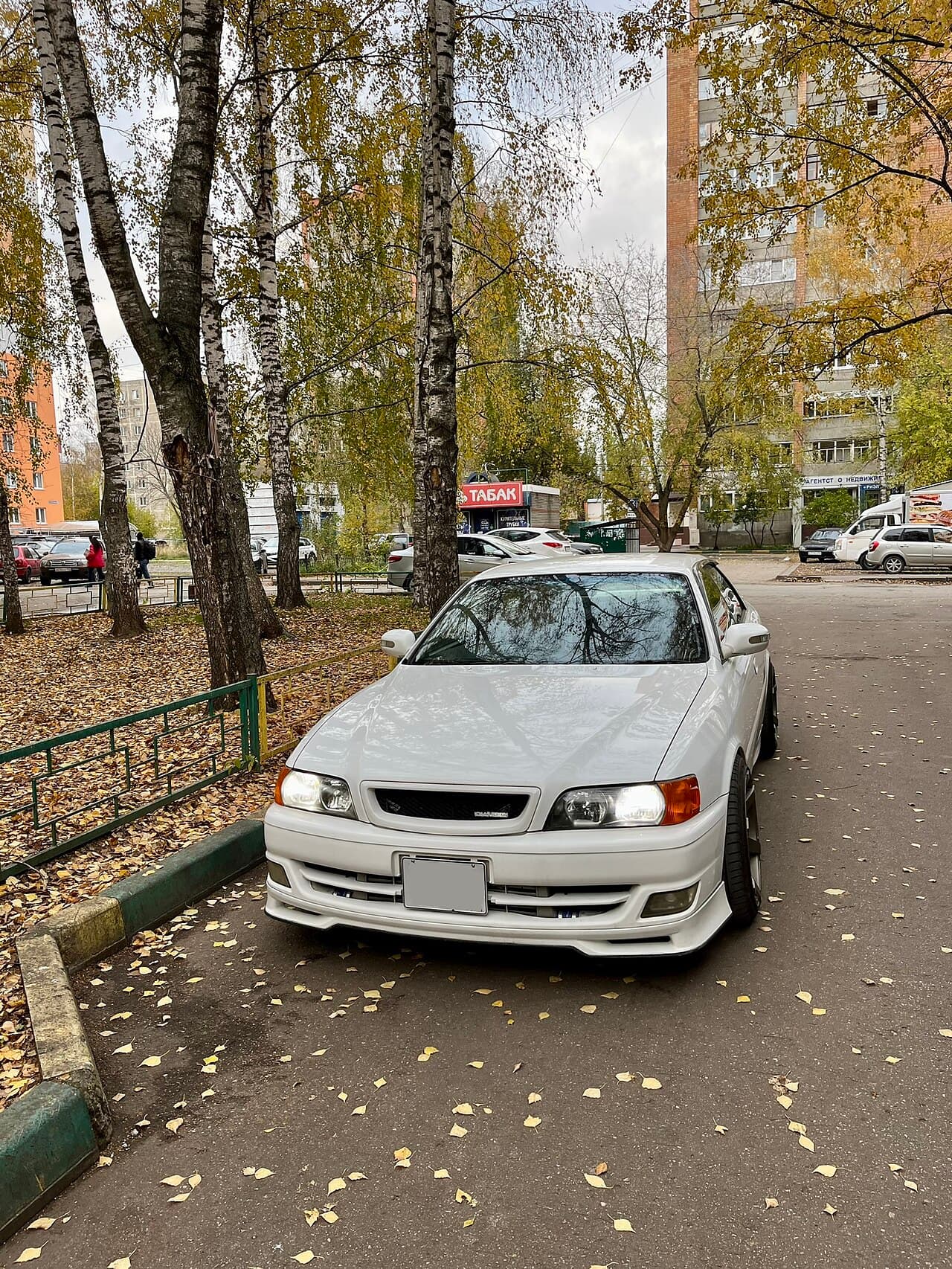
JZX100, in one line
The JZX100 is the sixth and final generation of Toyota's Chaser — a rear-wheel-drive, four-door "hardtop" sports sedan built from September 1996 to June 2001, powered in its most-wanted Tourer V grade by the 1JZ-GTE single-turbo straight-six. It never sold outside Japan, which is exactly why it became a JDM staple: a four-door with a straight-six turbo and a driver-friendly chassis, built for a market that valued precisely that combination.
Not just a Chaser: the JZX100 "triplets"
The Chaser shared its platform, engines, gearboxes and suspension hardpoints with two badge-engineered siblings sold through different Toyota Japan dealer networks: the mainstream Mark II and the more formal Cresta. Body panels, trim and positioning differ — the Chaser was tuned as the sportiest of the three — but under the skin a JZX100 Chaser Tourer V and a JZX100 Mark II Tourer V are mechanically the same car. Worth knowing before you assume a spec figure or a drift build only applies to cars actually badged "Chaser."
Timeline
- September 1996 — the JZX100 Chaser launches, replacing the JZX90, with the 2.0L Tourer, Tourer S, Tourer V and Avante (base and G) grades all part of the initial lineup; Avante Four and Avante Four G add all-wheel drive.
- April 1997 — Toyota adds the lower-priced Raffine and XL grades, powered by a 1.8L 4S-FE four-cylinder, to broaden the entry-level end of the lineup.
- June 2001 — Chaser production ends; the nameplate is retired.
Grades, the one-paragraph version
Tourer S and Tourer V are the sport-tuned grades, riding on 16-inch wheels; Tourer V is the one everyone means by "JZX100 Chaser," built around the 1JZ-GTE turbo and offered with either Toyota's R154 5-speed manual or a 4-speed automatic (ECT-iE). Avante and Avante G take the same platform toward comfort and luxury trim instead. Avante Four/Four G add all-wheel drive for buyers who wanted the format without full RWD commitment.
The drift-culture chapter (told as history, not an endorsement)
Toyota's gentleman's-agreement power cap put the JZX100 Tourer V in the same bracket as the R34 GT-R and Supra for a fraction of either car's price, and drift teams noticed. Through the late 1990s and 2000s the Chaser — and its Mark II twin — became a fixture of Japan's amateur and professional drift scenes, run alongside Silvias and Skylines and featured heavily in Option and Drift Tengoku video magazines. The chassis's most decorated competitive moment actually came via the Mark II badge: Daigo Saito won the 2008 D1 Grand Prix championship driving a Toyota Mark II JZX100 — the same platform, engine family and drivetrain as the Chaser, under different sheet metal. None of this is a suggestion to replicate the driving that built the reputation — the mountain-pass and street runs are history and competition, not public-road advice, and nothing here endorses street use.
Buying considerations
- Confirm whether you're looking at a Chaser, Mark II or Cresta before you shop parts or compare prices — sellers and forums use the names loosely, and the badge alone doesn't tell you the grade.
- Ask for the Japanese auction sheet if the car came through the dealer-auction export pipeline; see our guide to the grades and symbols before trusting a seller's summary of one.
- The R154 5-speed manual Tourer V is the specific configuration most buyers are actually chasing — confirm the gearbox, not just the grade badge, since both manual and automatic Tourer Vs exist.
- 1JZ-GTEs on drift-built cars are frequently modified; a car sold as "stock" should have service history behind that claim, not just the seller's word.
- KUROGANE doesn't sell cars or vouch for sellers — verify chassis and engine numbers against paperwork yourself or through an independent inspection.
Import eligibility status
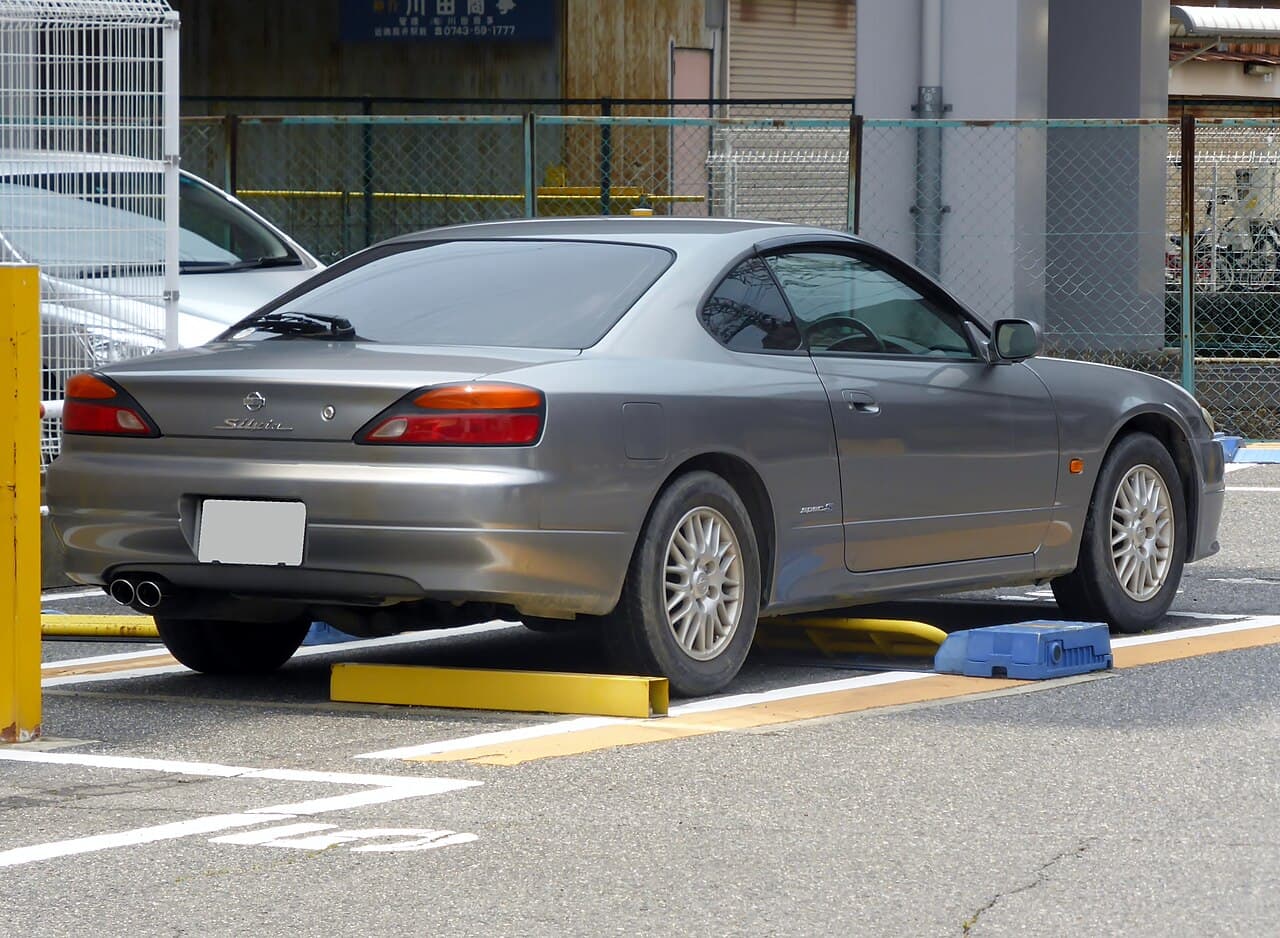
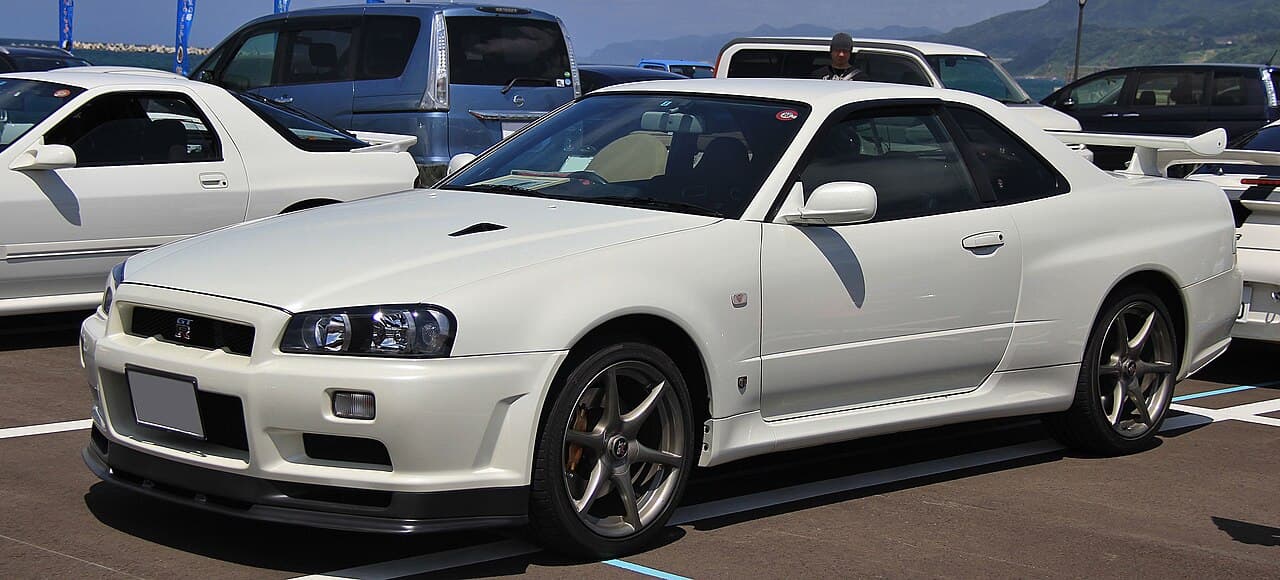
As of 2026-07, every JZX100 Chaser ever built has cleared the US federal 25-year exemption: the earliest cars (September 1996) passed the line in September 2021, and the very last ones off the line (June 2001) cleared it in June 2026 — last month. Canada's 15-year threshold cleared for the entire model years ago. This is general orientation, not a ruling on any specific car: confirm your exact chassis's manufacture month with the Import Eligibility Check, and see the 25-year rule, explained for how the federal clock works and why your state's registration rules are a separate question. For near-contemporaries still mid-clock, see the R34 Skyline GT-R and Nissan Silvia S15 guides.
Sources
FAQ
- When can I import a JZX100 Chaser into the US?
- Every JZX100 has already cleared — the run ended production in June 2001, and even the newest examples passed the federal 25-year line in June 2026. Confirm your specific chassis's manufacture month regardless, and remember state registration is a separate step from the federal import question.
- What's the difference between the Chaser, Mark II and Cresta?
- Badge, sheet metal, trim and dealer channel — not mechanics. All three share the JZX100 platform, the same engine choices including the 1JZ-GTE, and the same gearboxes; the Chaser was tuned as the sportiest of the three, the Mark II was the mainstream volume seller, and the Cresta leaned formal/luxury.
- Is the JZX100 Chaser the car people mean by "the Mark II drift car"?
- Often, yes in spirit — Daigo Saito's 2008 D1 Grand Prix-winning car was a Mark II, not a Chaser, but it rode the identical JZX100 platform and drivetrain. Drift culture treats the two nameplates as close to interchangeable under the skin.
This article is for information only and is not legal, import, or purchasing advice. Eligibility rules are described structurally — the vehicle's actual manufacture month, verified per chassis, is the final basis, and federal import and state/provincial registration are separate hurdles. Prices and availability change; confirm on the official source linked in the article before acting.